Key Factors That Separate Strong Copper Stocks From Risky Plays
— It's not just about copper prices—smart investing means finding companies that mine it efficiently, sustainably, and profitably.
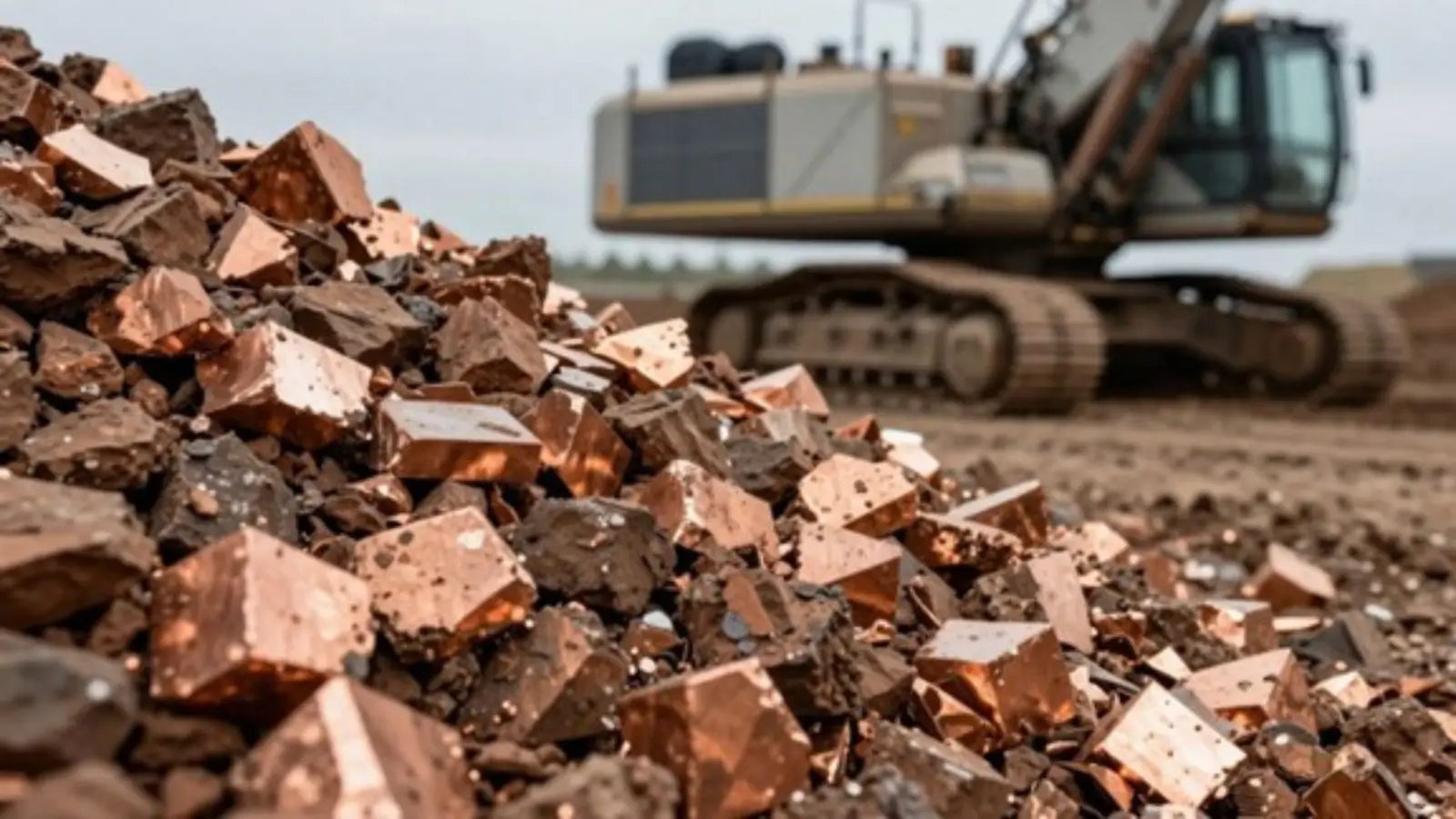
When looking at copper stocks, it's smart to first check out the company itself. This means digging into their financial health and how much copper they actually have. It's not just about the price of copper; it's about the company's ability to mine it profitably and efficiently.
Assessing Reserve Quality and Quantity
Companies need to have a good amount of copper, and it needs to be the kind that's actually worth digging up. We're talking about the reserves – the copper that's been proven to be there and can be extracted economically. A company with large, high-quality reserves has a much better chance of long-term success. It's like having a big, rich vein of ore; it makes everything else easier.
Analyzing Financial Health and Profitability
Next, look at the numbers. Does the company make money? How much debt does it have? A company with a strong balance sheet and a history of profits is generally a safer bet. We want to see that they can manage their money well, especially when copper prices fluctuate. A company that's financially sound can weather market storms better.
Understanding Production Costs and Efficiency
This is a big one. How much does it cost a company to get that copper out of the ground? Lower production costs mean more profit, especially when copper prices are down. Efficiency matters a lot here. Are they using modern equipment? Are their mining processes streamlined? A company that can produce copper cheaply has a real edge over its competitors. It's about smart operations and keeping those costs in check.
Understanding Market Dynamics and Demand
Tracking Global Economic Growth Indicators
Global economic growth is a big deal for copper. When economies are humming, construction projects ramp up, and factories churn out more goods. This directly boosts the demand for copper. Think about it: more cars, more electronics, more infrastructure all need copper wiring. Watching GDP figures and manufacturing indexes gives a good hint about where copper demand is headed. A strong global economy usually means a stronger copper market.
Conversely, when the global economy slows down, so does copper demand. Recessions mean fewer building projects and less manufacturing. This can lead to lower prices for copper. Investors need to keep an eye on these big economic trends. They set the stage for how much copper the world actually needs.
The interplay between economic health and copper consumption is direct and significant. Understanding these indicators helps predict future copper needs and potential price movements.
Monitoring Supply Chain Constraints and Disruptions
Supply chains for copper can get messy. Things like political instability in mining regions, labor strikes, or even bad weather can stop mines from producing. When supply gets choked off, even if demand is steady, prices can jump. It’s a delicate balance. We've seen climate change cause more disruptions lately, forcing mines to halt operations temporarily. This adds another layer of uncertainty to copper supply.
It's not just about getting copper out of the ground. Transportation is key too. Shipping delays or port congestion can also create temporary shortages. These kinds of supply chain constraints mean that the actual amount of copper available can fluctuate quite a bit. This unpredictability is something investors have to factor in.
Unexpected events can quickly tighten the copper market, leading to price spikes. Keeping tabs on potential disruptions is as important as tracking demand.
Identifying Industrial and Technological Demand Drivers
Copper isn't just for old-school stuff anymore. Its use in new technologies is a huge growth area. Think electric vehicles (EVs), renewable energy infrastructure like solar panels and wind turbines, and advanced electronics. These sectors require a lot more copper per unit than traditional applications. For example, EVs use significantly more copper than gasoline-powered cars.
This shift towards greener technologies and advanced manufacturing is creating a new wave of copper demand. As more countries push for decarbonization and electrification, the need for copper will likely keep climbing. It’s not just about building more houses; it’s about building a new technological future that runs on copper. This industrial and technological demand is a powerful force shaping the copper market.
Here's a look at some key demand drivers:
- Electric Vehicles: Require significantly more copper than internal combustion engine vehicles.
- Renewable Energy: Solar panels, wind turbines, and grid upgrades all need substantial amounts of copper.
- Electronics: From smartphones to advanced computing, copper is a vital component.
- Infrastructure: Modernizing power grids and expanding broadband networks rely heavily on copper.
Distinguishing Between Major and Junior Miners
When looking at copper stocks, you'll notice they generally fall into two main groups: major mining companies and junior miners. Understanding the differences between these two types is key to making smart investment choices.
The Strengths of Established Mining Giants
Major mining companies, often called seniors, are the big players. They've been around for a while, usually decades, and operate mines all over the world. These companies have a solid track record, proven methods for finding and extracting minerals, and a consistent output year after year. Their size and experience mean they often have better access to capital, more stable production, and a more predictable revenue stream. This stability makes them a generally safer bet for investors.
The High-Risk, High-Reward Nature of Junior Copper Mining Stocks
Junior copper mining stocks, on the other hand, are typically smaller companies focused on exploration and early-stage development. They're the ones taking big swings, hoping to discover new, significant copper deposits. If they hit the jackpot, the returns for investors can be massive. However, the odds are stacked against them. Many junior exploration projects fail to find anything economically viable. It's a classic high-risk, high-reward scenario, and investing in junior miners requires a strong stomach for volatility and a deep understanding of the geological and financial risks involved.
Assessing the Operational Track Record of Companies
When evaluating any copper stock, whether it's a major or a junior, looking at their past performance is vital. For majors, this means examining their history of successful mine operations, reserve management, and consistent production. For junior miners, the focus shifts to their exploration success rate, the quality of their management team's previous projects, and their ability to advance projects from discovery to development. A company's operational track record provides a solid indicator of its future potential and helps separate promising plays from risky ones. Remember, junior mining stocks are often valued based on potential, but a history of execution matters for both types of companies.
Scrutinizing Exploration and Development Potential
Evaluating Geological Probability and Exploration Success
When looking at copper stocks, especially those from smaller companies, it's smart to check out their exploration potential. This means looking at the geology of where they're digging. Are there signs that a lot of copper could be there? Companies that have a good track record of finding deposits, even small ones, tend to be a better bet. It's about more than just luck; it's about understanding the ground.
A company's ability to consistently find promising geological formations is a strong indicator of future success. This involves reviewing past exploration results and understanding the geological models they're using. A history of successful exploration, even if it hasn't led to full production yet, shows a certain level of competence. It’s about assessing the probability of finding something significant.
Analyzing the Significance of Drilling Results
Drilling results are like the company's report card for exploration. Investors need to look closely at what these results mean. Are the copper grades high enough? How wide is the deposit? These details matter a lot. A few good holes don't always mean a massive find, but they can point to something worth developing.
It's important to see if the drilling is expanding the known deposit or just finding isolated pockets. Consistent, positive results across multiple drill holes are more convincing than a single standout result. This kind of data helps paint a clearer picture of the exploration potential.
Understanding the Capital Requirements for Development
Finding copper is one thing, but getting it out of the ground is another. Developing a mine takes a huge amount of money. Investors should ask how the company plans to fund this. Do they have enough cash, or will they need to borrow or sell more shares? This is where many junior miners run into trouble.
The path from discovery to a producing mine is long and expensive. Companies need a solid financial plan to cover exploration, permitting, construction, and ongoing operations. Without it, even the best discoveries can fail to reach production.
Companies that have partners willing to help fund development, or those with a clear path to financing, are generally less risky. It’s a big hurdle, and not all companies can clear it. This is a key part of assessing the exploration potential and the overall viability of a project.
Navigating Investment Risks and Volatility

Avoiding Overhyped Stocks and Speculative Bubbles
Copper stocks, especially those tied to exploration or junior miners, can attract a lot of attention. This often leads to overhyped stocks that detach from a company's actual value. Investors need to be wary of hype cycles. Genuine value comes from solid fundamentals, not just buzz. It's easy to get caught up in the excitement, but a disciplined approach is key to avoiding speculative bubbles that eventually burst.
When looking at copper plays, it's important to look beyond the headlines. Many companies might promise big things, but the reality of bringing a mine online is complex and costly. Investors should focus on companies with realistic production targets and clear development plans. Ignoring these details can lead to significant losses when the market corrects.
The Importance of Liquidity and Trading Volume
Liquidity matters a lot when you're investing in copper stocks. Low liquidity means it can be hard to buy or sell shares quickly without affecting the price. This is especially true for smaller companies. A stock with high trading volume is generally easier to get in and out of.
Think about it like this: if you need to sell your shares in a hurry, a stock with few buyers will make that difficult. You might have to accept a much lower price than you expected. This is a real risk, particularly in volatile markets where quick decisions are sometimes necessary.
Managing Portfolio Exposure to Junior Copper Mining Stocks
Junior copper miners can offer big rewards, but they also come with significant risk. Their success often hinges on exploration results and securing funding. It's wise to limit your overall exposure to these types of companies.
Diversification is your friend here. Don't put all your eggs in one basket. Spreading your investment across different types of copper plays, and even other sectors, can help cushion the blow if one junior miner doesn't pan out. A balanced portfolio is a more resilient portfolio.
Investing in natural resources, including copper stocks, inherently carries more volatility than many other sectors. These investments are sensitive to global economic shifts, political events, and the fluctuating price of the commodity itself. Understanding this sensitivity is the first step in managing risk effectively.
Identifying Strategic Partnerships and Management
The Value of Major Partner Involvement
When a big company decides to team up with a smaller copper miner, it's usually a good sign. These major players have deep pockets and a lot of experience. They don't typically get involved unless they see real potential in the project or the company's management. This kind of partnership can mean access to better funding, advanced technology, and established distribution networks. It's a way to de-risk a project significantly.
Think of it like this: a seasoned chef agreeing to help a new restaurant owner. The chef brings know-how, connections, and a reputation that can draw in customers. For a copper stock, a major partner's involvement signals that the project is likely solid and has a higher chance of success. It's a strong indicator that the company is on the right track.
This isn't just about money; it's about validation. A major partner's commitment suggests they've done their homework and believe in the long-term viability of the operation. It can also lead to more efficient operations and a smoother path to production.
Assessing Management Experience and Strategy
The people running the show matter a great deal. Investors should look closely at the management team's background. Do they have a proven track record in the mining industry, especially in copper? Have they successfully navigated projects from exploration to production before? A team with relevant experience is more likely to make sound decisions.
It's also important to understand their strategy. What are their plans for exploration, development, and production? Are these plans realistic and well-thought-out? A clear, coherent strategy, backed by experience, is a strong positive. It shows they have a roadmap for growth and value creation.
Look for signs of good governance and transparency. How does the management team communicate with shareholders? Are they open about challenges and successes? A management team that is communicative and accountable builds trust, which is vital for any investment, especially in the volatile mining sector. This focus on management is key.
Considering Political and Environmental Stability of Operations
Where a company operates has a big impact on its success. Copper mines are often in regions with complex political landscapes. Investors need to assess the stability of the government and the regulatory environment. Unstable political situations can lead to unexpected policy changes, resource nationalism, or even operational disruptions. This is a significant risk factor.
Environmental regulations are also becoming increasingly important. Companies need to demonstrate a commitment to responsible mining practices. Poor environmental management can lead to costly fines, project delays, or reputational damage. A company that proactively addresses environmental concerns is often a safer bet. This strategic consideration is often overlooked.
Assessing political and environmental stability involves looking at a company's history in its operating regions, its relationships with local communities and governments, and its adherence to international standards. A company that operates in a stable, well-regulated environment with a good environmental record is generally a more secure investment. This diligence is part of identifying strong copper stocks.
Wrapping It Up
So, when you're looking at copper stocks, it's really about picking the right ones. Forget the flashy penny stocks or companies that seem too good to be true – those usually end badly. Instead, focus on the big, established mining companies. They've got a track record, solid finances, and good quality reserves. These are the ones that tend to do better over the long haul, especially since copper is so important for so many industries, from building things to powering our world. It's not a get-rich-quick scheme, but by being smart and sticking to the basics, you can find some solid opportunities in the copper market.