Essential Evidence Sources That Influence Liability in Multi Vehicle Collisions
— Understanding where liability evidence comes from helps demystify the investigative process in multi vehicle crashes.
Multi vehicle crashes can feel chaotic, and sorting out who caused what often depends on pulling together many types of evidence.
Investigators do not rely on a single detail. Instead, they compare physical clues, digital trails, and witness accounts until the picture becomes clear.
When you know what goes into building that picture, it is easier to understand why liability decisions can take time and why strong evidence helps protect your claim.
Why Evidence Matters So Much
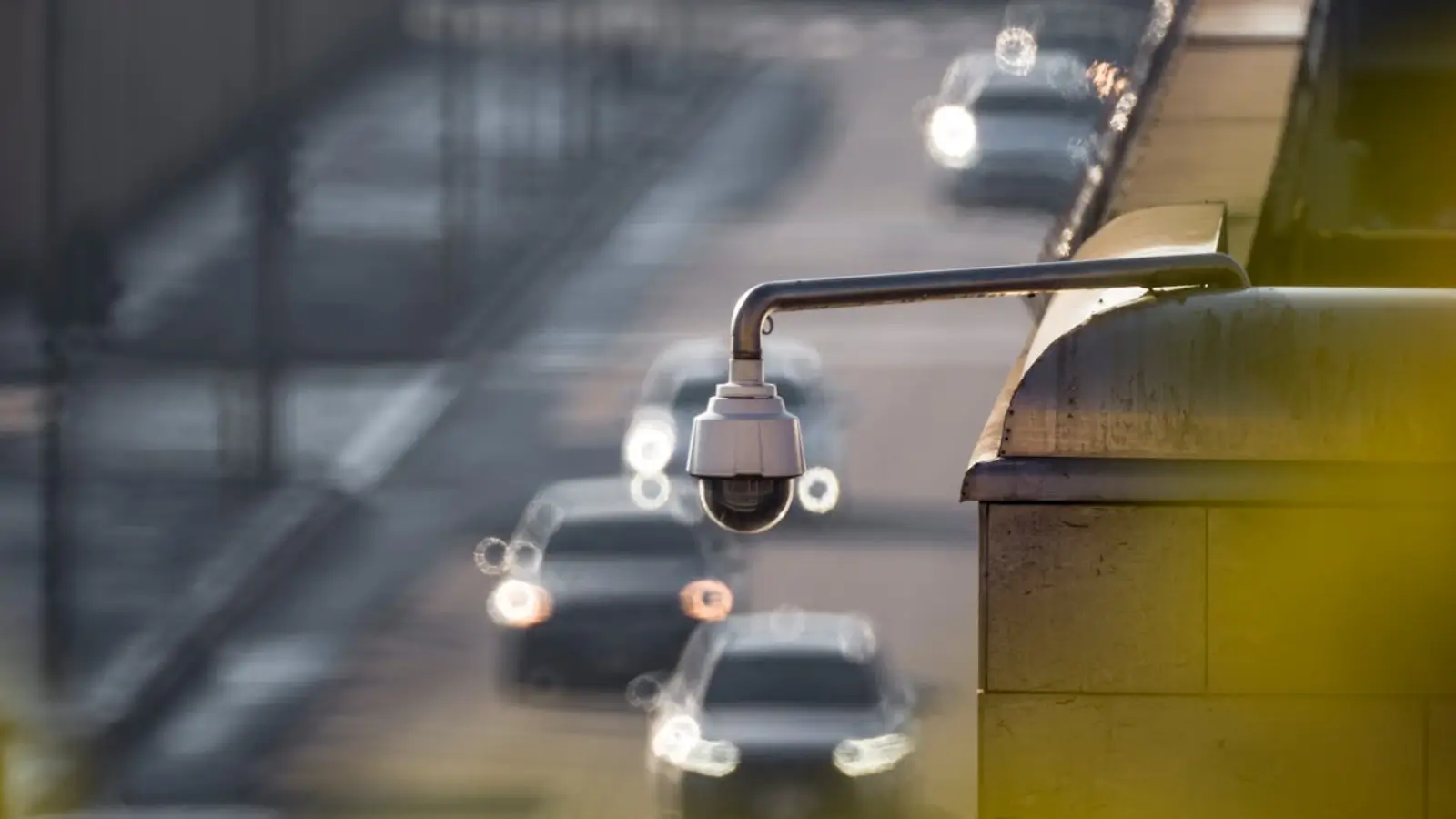
In multi vehicle collisions, several people may point fingers in different directions. Because memories fade and perspectives clash, investigators lean heavily on objective tools. In a study by arXiv, researchers highlighted how multi camera systems reveal blind spots and track vehicle movement in ways human witnesses cannot. This level of detail is exactly what investigators need when several vehicles collide within seconds.
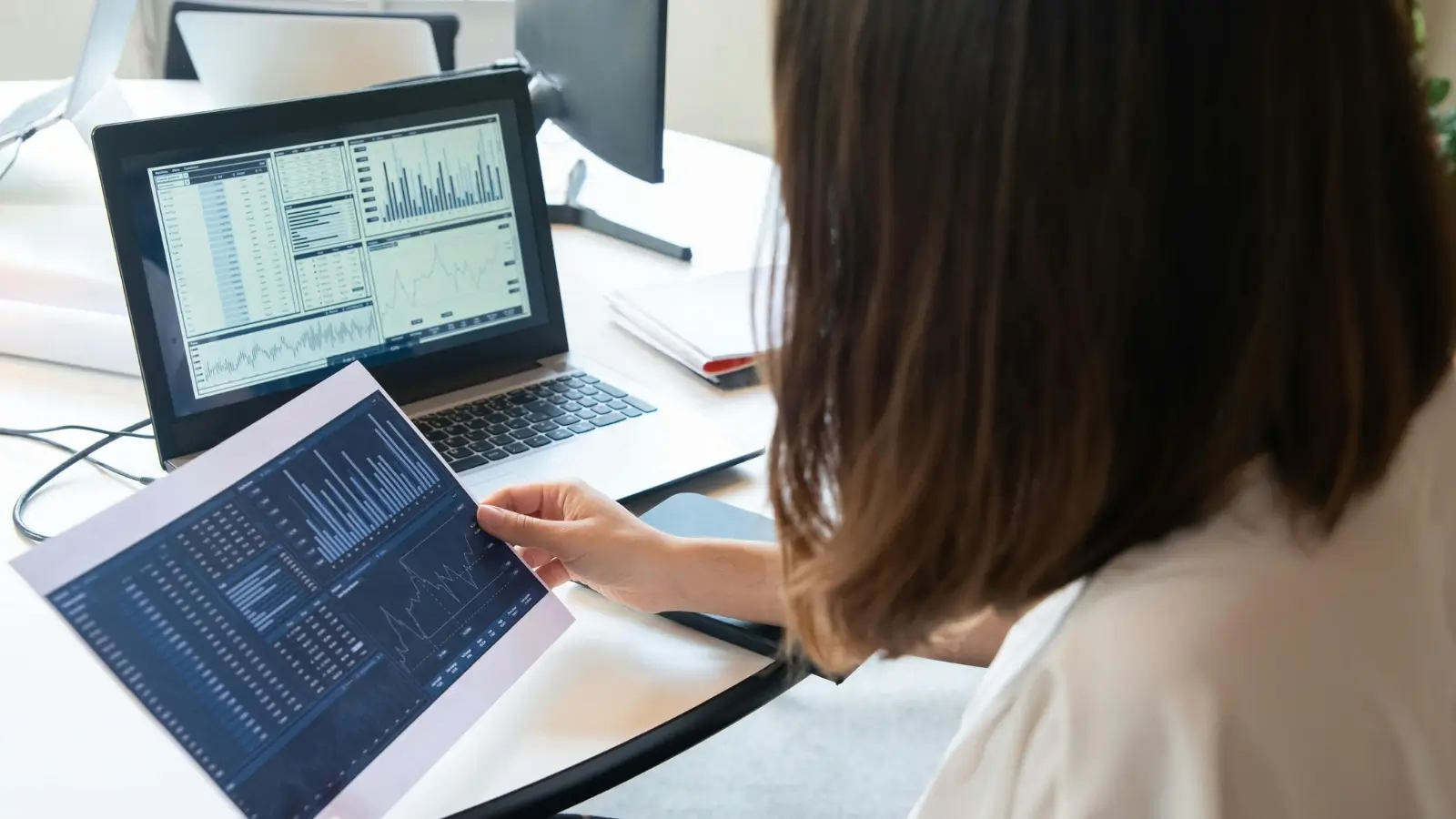
Another piece comes from data fusion. Crash modeling improves when analysts combine traffic flow data, weather records, and witness reports. A blended data approach helps confirm patterns such as sudden braking or blocked visibility, which might otherwise be disputed.
In many cases, investigators also turn to modern reconstruction software. Digital tools can recreate accidents frame by frame to match roadway damage and sensor readings. This often gives attorneys and experts a reliable foundation for assessing who initiated a chain reaction and who was caught up in it. It’s a lot like how digital tools are enhancing business productivity, only applied to a different sphere.
Common evidence sources used in multi vehicle crash investigations include:
- Photos and videos capturing initial impact angles
- Vehicle control module data showing speed and braking
- Roadway markings that reveal sequence and direction of movement
How Investigators Build a Liability Timeline
Once evidence is gathered, experts assemble it into a timeline that shows how the collision unfolded. They review skid marks, vehicle damage patterns, light timing, and traffic flow. They also examine weather conditions and nearby construction to rule out unrelated hazards. As analysts refine the timeline, they compare it with driver statements to see which accounts match the physical clues.
This is also where your own understanding of how to prove fault becomes important. If you know what investigators look for, you can share helpful details sooner, such as where you were positioned or whether you noticed another driver speeding.
How Technology Strengthens a Claim
Liability decisions do not rely only on traditional methods. Today, intelligent tools play a growing role. Studies published by ScienceDirect describe systems that merge multiple reporting channels, making it easier to organize evidence without error. Advanced models can also interpret collision data to support more accurate liability findings.
These tools help experts confirm which drivers reacted appropriately and which contributed to the chain reaction. They also reduce the chance that important digital evidence is overlooked.
Final Thoughts
Understanding where liability evidence comes from helps demystify the investigative process. When you know what experts are checking, you can stay proactive, preserve your own evidence, and recognize why certain details matter.