How to Fix a Dishwasher That Leaves Spots on Dishes
— Spots on dishes aren't just an eyesore; they can signal underlying problems like hard water buildup, improper loading, or even a faulty component.
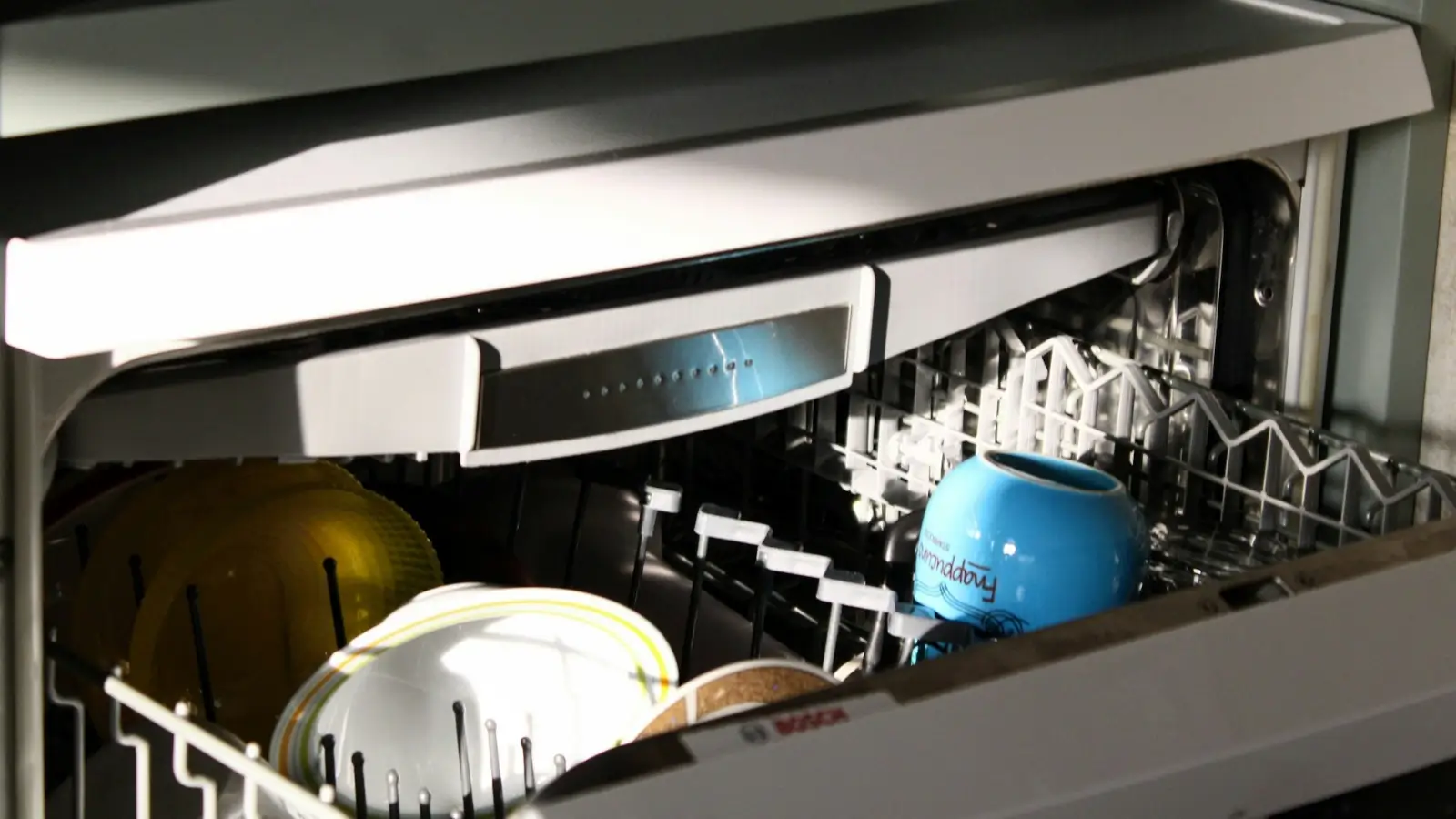
Dealing with a dishwasher that spits out spotty glasses and cloudy plates can be downright frustrating. You've loaded it up, hit start, and expect everything to come out sparkling, but instead, you're left scrubbing residue off by hand. If this sounds familiar, you're not alone it's one of the most common complaints I hear from homeowners. The good news is that many of these issues can be tackled at home without calling in the pros right away. However, if the problem persists, it might be time to consider professional dishwasher repair services to get things back on track. In this guide, we'll dive into the reasons why your dishwasher is leaving spots and walk you through step-by-step fixes to restore that shine.
Spots on dishes aren't just an eyesore; they can signal underlying problems like hard water buildup, improper loading, or even a faulty component. Before we jump into solutions, let's understand what's going on. Over time, minerals in your water, detergent residue, or rinse aid issues can all contribute to those pesky marks.
I've fixed my own dishwasher a couple of times using these methods, and they've saved me from unnecessary service calls. We'll cover everything from quick DIY tweaks to more involved maintenance, so you can decide what fits your situation.
Understanding the Causes of Spots on Dishes
To fix the problem, you first need to pinpoint why it's happening. Spots on dishes typically fall into a few categories, and identifying the culprit can save you time and effort.
-
Hard Water Minerals: In many areas, tap water is loaded with minerals like calcium and magnesium. These can leave white, chalky spots as the water evaporates during the drying cycle. If you live in a region with hard water—think Midwest or parts of the Southwest—this is often the prime suspect.
-
Detergent Residue: Using too much detergent or the wrong type can lead to soapy films that don't rinse off completely. Modern dishwashers are efficient, so overloading on soap might backfire, leaving streaks or spots.
-
Rinse Aid Problems: Rinse aid helps water sheet off dishes instead of beading up and leaving spots. If your dispenser is empty, clogged, or not adjusted properly, you'll notice more water marks.
-
Improper Loading or Cycle Selection: Overcrowding the racks can block spray arms, preventing even cleaning. Running a short cycle on heavily soiled loads might not rinse thoroughly enough.
-
Mechanical Issues: Less commonly, a failing heating element, clogged filters, or worn-out parts could be at play. These might require deeper inspection.
I've seen friends ignore these signs until their dishwasher started leaking or making odd noises. Catching it early keeps things simple. Now, let's move on to some basic troubleshooting that anyone can try.
Basic Troubleshooting Steps
Start with the easiest fixes—these often resolve the issue without tools or expertise. Think of it as giving your dishwasher a quick reset.
1. Check and Adjust Rinse Aid
Rinse aid is your first line of defense against spots. It's a simple liquid that reduces surface tension, helping water slide off dishes.
-
Empty the dispenser? Fill it up with a quality rinse aid like Jet-Dry or Finish. Avoid cheap alternatives; they might not work as well.
-
Adjust the dosage setting. Most dispensers have a dial from 1 to 6—start at 3 and tweak based on results. Harder water might need a higher setting.
-
Run a test cycle with just a few glasses. If spots improve, you've nailed it.
In my experience, forgetting to refill rinse aid is a common oversight. I once went weeks with spotty wine glasses before realizing the dispenser was bone dry.
2. Evaluate Your Detergent
Not all detergents are created equal, especially with today's low-phosphate formulas designed for environmental reasons.
-
Switch to a high-quality powder or gel detergent. Pods are convenient but can sometimes dissolve unevenly.
-
Measure properly—use the recommended amount, usually about 2 tablespoons for a full load. Too much creates excess suds that rinse poorly.
-
Try a detergent booster like Lemi Shine if hard water is an issue. It helps break down minerals.
Remember, store detergent in a cool, dry place to prevent clumping, which can lead to uneven distribution.
3. Test Water Temperature
Dishwashers need hot water to dissolve detergent and rinse effectively. If your water's too cool, spots are inevitable.
-
Run the kitchen faucet until it's hot before starting the cycle. This ensures the dishwasher pulls in warm water from the start.
-
Check your water heater setting—aim for 120-140°F. Anything lower might not cut it.
-
If possible, install a booster heater, but that's more of an advanced fix.
A quick thermometer test under the faucet can confirm if temperature is the problem. I've boosted mine a few degrees and noticed immediate improvements.
Deep Cleaning Your Dishwasher
If basic tweaks don't help, it's time for a thorough clean. Buildup inside the machine can redistribute grime onto your dishes.
1. Cleaning the Filters and Spray Arms
Filters trap food particles, but they get gunky over time.
-
Locate the filter at the bottom of the dishwasher—usually twists out easily.
-
Rinse under hot water, scrubbing with a soft brush to remove debris. Soak in vinegar if it's really crusty.
-
Inspect spray arms for clogs. Remove them (check your manual) and poke out holes with a toothpick.
Do this monthly to prevent issues. I make it part of my routine, like changing air filters.
2. Running a Vinegar Cycle
Vinegar is a natural descaler, perfect for hard water spots.
-
Place a cup of white vinegar on the top rack.
-
Run a hot cycle without dishes. The acid breaks down mineral deposits.
-
Follow with a baking soda sprinkle on the bottom for deodorizing—run another short cycle.
This combo has revived many a spotty dishwasher in my circle of friends. It's cheap and effective.
3. Descaling with Citric Acid
For tougher buildup, citric acid packs a punch.
-
Buy food-grade citric acid powder online or at stores.
-
Add 1/4 cup to the detergent dispenser and run a full cycle.
-
Repeat if needed, but don't overdo it—once every few months suffices.
Be cautious with enameled interiors; vinegar might be gentler.
Addressing Hard Water Issues
If hard water is the root cause, you'll need more than cleaning. Here's how to tackle it head-on.
Installing a Water Softener
A whole-house softener removes minerals before they reach your appliances.
-
Assess your water hardness with a test kit—over 7 grains per gallon means you need one.
-
Choose a salt-based system for best results, though salt-free options exist for low-sodium diets.
-
Professional installation costs $500-2000, but it protects all your plumbing.
I've installed one myself, and the difference in laundry, showers, and dishes is night and day.
Using Water Softening Additives
For a quicker fix, additives can help.
-
Add borax or washing soda to each load—about a tablespoon.
-
Invest in rinse aids formulated for hard water, like those with chelating agents.
-
Consider a dishwasher-specific softener attachment if a full system is too much.
These aren't permanent solutions but bridge the gap nicely.
Optimizing Loading and Cycle Choices
How you load matters more than you think.
Proper Loading Techniques
-
Place items facing downward so water jets hit them directly.
-
Don't block spray arms—leave space around them.
-
Separate silverware to avoid nesting, which traps water.
Overloading is tempting, but it leads to poor rinsing. I learned this the hard way after a dinner party disaster.
Selecting the Right Cycle
-
Use "heavy" or "pots and pans" for greasy loads to ensure thorough rinsing.
-
Enable heated dry if available—it evaporates water faster, reducing spots.
-
Avoid eco modes if spots persist; they save energy but might skimp on heat.
Experiment with cycles to find what works for your machine.
When to Seek Professional Help
Sometimes, DIY isn't enough. If you've tried everything and spots remain, it could be a deeper issue.
-
Faulty heating element: No hot water means poor rinsing.
-
Clogged drain hose: Backed-up water leaves residue.
-
Worn pump or sensors: These affect cycle efficiency.
In such cases, calling experts is wise. They have tools to diagnose and fix quickly, preventing bigger problems.
Prevention Tips for Spot-Free Dishes
Once fixed, keep it that way with maintenance.
-
Regular cleaning: Monthly vinegar runs.
-
Quality supplies: Good detergent and rinse aid.
-
Water checks: Test hardness annually.
-
Load mindfully: Avoid overcrowding.
Following these keeps your dishwasher humming along.
In wrapping up, fixing spots on dishes is often straightforward with a bit of elbow grease and know-how. From rinse aid tweaks to deep cleans, you've got options. If all else fails, professional help ensures longevity. Your spot-free future starts now—happy washing!
Understanding the Causes of Spots on Dishes (Expanded)
Let's delve deeper. Hard water isn't just about spots; it can etch glass over time, making it permanently cloudy. Test your water using strips from hardware stores—they color-code hardness levels. If it's high, you're dealing with limescale, which is basically calcium carbonate buildup.
Detergent residue often shows as a filmy layer. Modern detergents are phosphate-free, which is great for the environment but less effective at binding minerals. If you're using liquid, switch to powder—it dissolves better in hot water.
Rinse aid works by lowering water's surface tension. Without it, droplets form and dry into spots. Some machines have auto-dispensers; check if yours is functioning.
Mechanical problems might include a thermostat gone bad, preventing proper heating. Or, the door gasket could leak steam, affecting drying.
I've had a dishwasher where the spots were from a tiny crack in the spray arm—water pressure was off, leading to uneven coverage.
Basic Troubleshooting Steps (Expanded)
- Starting with rinse aid: Brands matter. I prefer those without dyes to avoid tinting plastics. When filling, wipe spills to prevent sticky buildup around the cap.
- For detergent, consider your machine type. High-efficiency models need HE detergents. If you have allergies, opt for fragrance-free.
- Water temperature: If your heater is far from the kitchen, insulate pipes to maintain heat. Or, run a "sanitize" cycle if available—it boosts temps to 150°F+.
Add a tip: Use a dishwasher-safe thermometer cup to measure internal temps during a cycle.
Deep Cleaning Your Dishwasher (Expanded)
- Filters: Some models have multiple—coarse and fine. Clean both. If yours is self-cleaning, still check for jams.
- Vinegar cycle: Use distilled white vinegar for purity. Place it upright in a bowl to avoid spilling.
- Citric acid: It's stronger than vinegar, derived from citrus. Dissolves iron stains too, if your water has rust.
- Another method: Commercial cleaners like Affresh tablets. Drop one in monthly for fizzing action that scrubs internals.
Don't forget the door edges and gasket—wipe with soapy water to remove mold.
Addressing Hard Water Issues (Expanded)
- Water softeners: Ion-exchange types swap calcium for sodium. Regen with salt pellets. Monitor salt levels weekly.
- Additives: Phosphates were banned, so look for citrate-based boosters. They chelate minerals, preventing deposits.
For apartments, portable softeners attach to faucets—handy if you can't modify plumbing.
Story: A neighbor installed one after spots ruined her heirloom china. Worth the investment.
Optimizing Loading and Cycle Choices (Expanded)
- Loading: Top rack for plastics and glasses to avoid melting. Bottom for pots. Use clips for lightweight items.
- Cycles: "Auto" senses soil level but might underestimate. "Quick wash" is for light loads only.
- Energy tips: Run full loads to save water, but not so full that cleaning suffers.
When to Seek Professional Help (Expanded)
- Signs: Unusual noises, error codes, or leaks. Pros can test components with multimeters.
- Cost: Basic repairs $100-300. New parts like elements around $50.
Choose licensed techs—check reviews on sites like Yelp.
Prevention Tips for Spot-Free Dishes (Expanded)
- Schedule reminders for maintenance. Use apps to track.
- Educate family on loading—kids often stack wrong.
- Monitor water quality if on well—filter changes matter.
In conclusion, persistence pays off. With these steps, your dishes can shine again.