Why Your Trading Platform Is the Foundation of Every Trade
— Choosing the right trading platform is a strategic decision that impacts every aspect of trading.
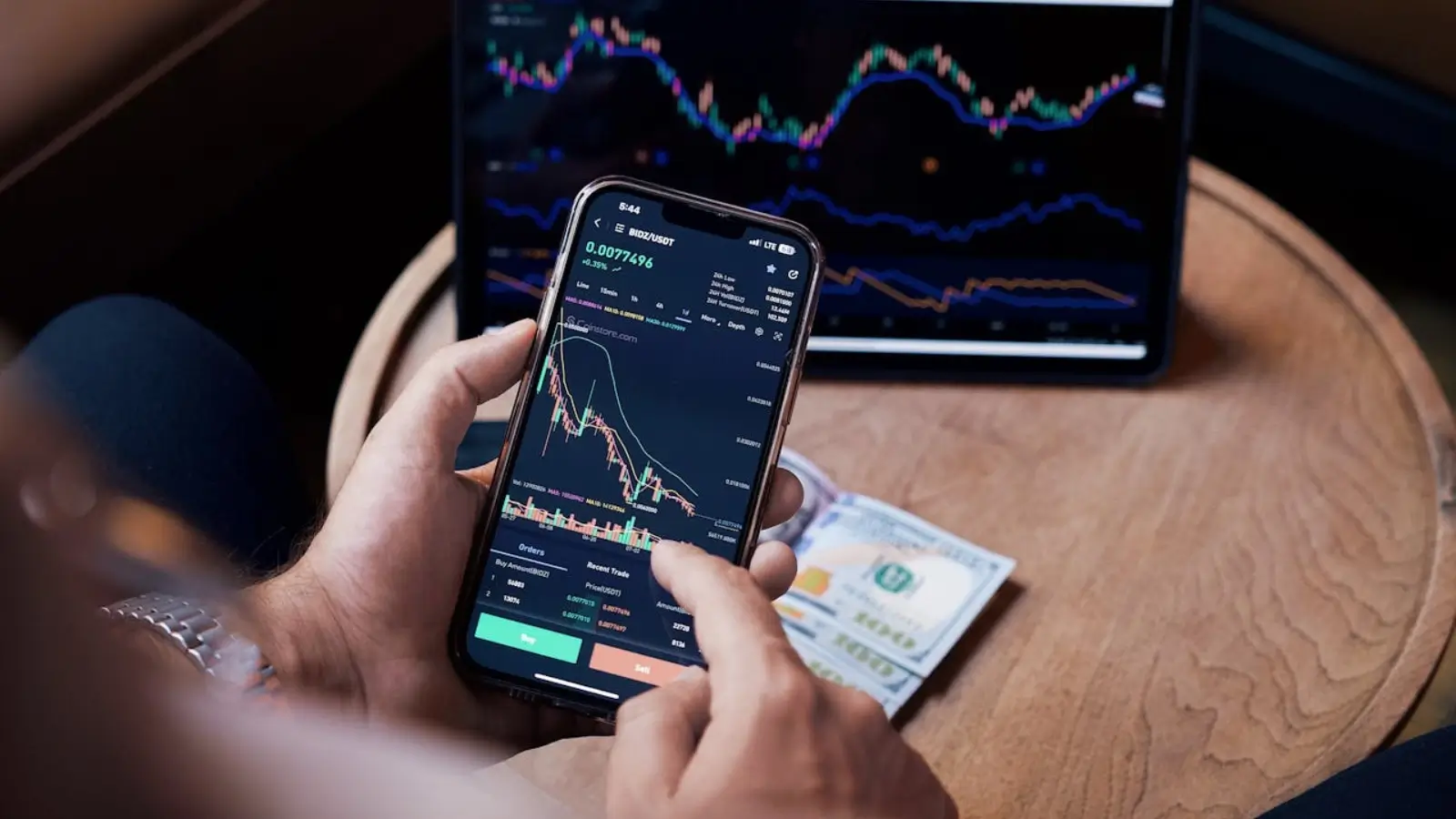
A trading platform is the core tool that connects traders to global financial markets. It directly affects how quickly trades are executed, how clearly markets are analyzed, and how confidently decisions are made. Selecting the right platform can enhance performance, reduce friction, and create a more professional trading experience. Before choosing a platform, traders should focus on usability, execution quality, transparency, and the overall trading environment offered by the broker behind it.
What Is a Trading Platform?
A trading platform is a digital interface that allows traders and investors to monitor market prices, analyze charts, and place buy or sell orders across various financial instruments. These platforms are usually provided by online brokers and serve as the main workspace for managing trades and accounts.
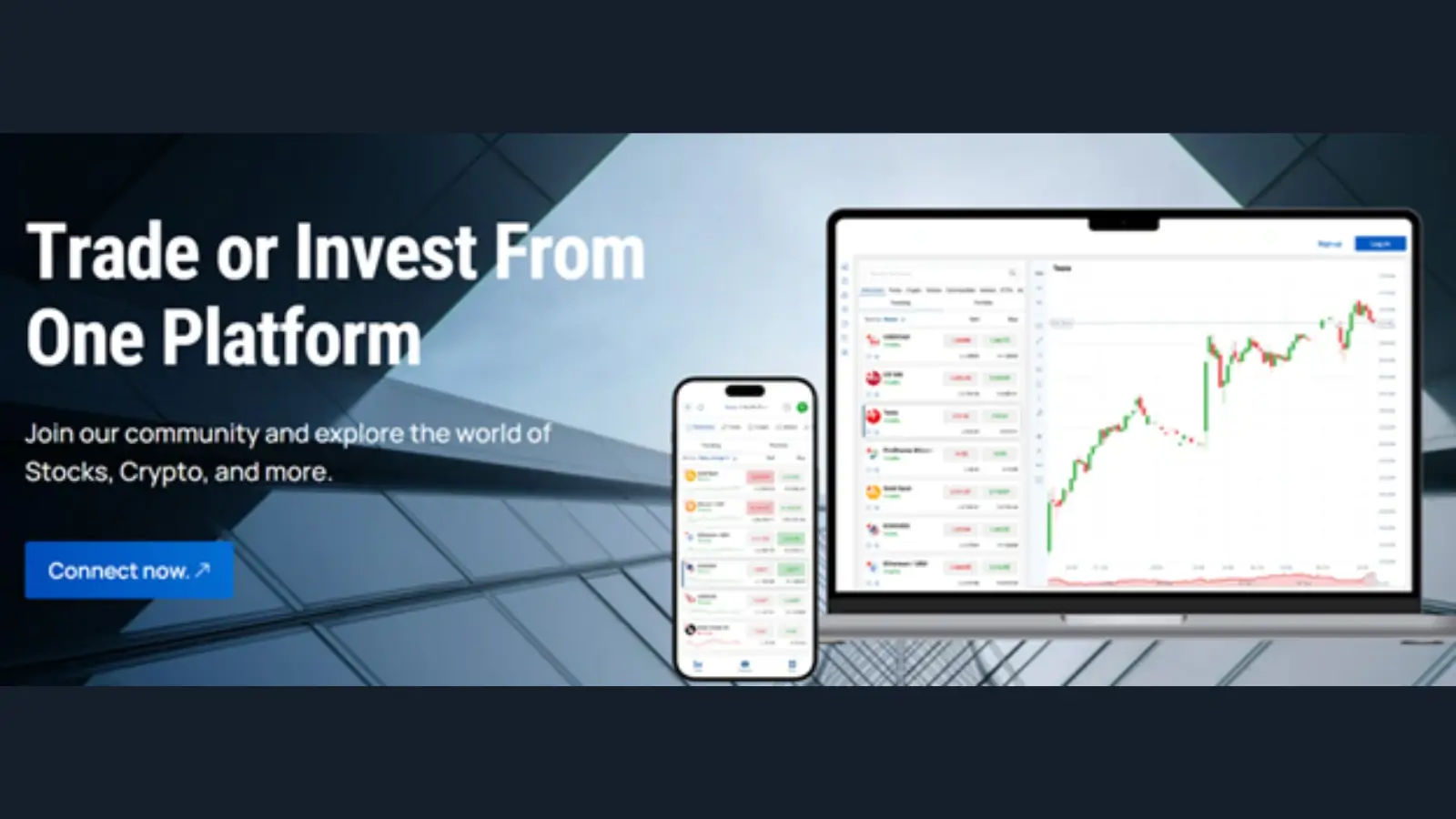
Modern trading platforms go far beyond basic order placement. They integrate real time price feeds, advanced charting, risk management tools, and performance tracking. Some platforms are built for mass retail use, while others are designed with a more professional, trader first approach. Platforms connected to execution focused brokers, such as Mamonex, aim to deliver a clean, efficient environment without unnecessary distractions or conflicts of interest.
Key Features to Look For in a Trading Platform
Not all trading platforms are created equal. The following features are essential when evaluating your options:
1. Fast and reliable execution
Execution speed matters, especially during volatile market conditions. Platforms built around direct market access help ensure trades are filled efficiently and at expected prices.
2. Clear and intuitive interface
A well designed platform allows traders to focus on strategy rather than navigation. Simplicity and logical layout are especially valuable for both beginners and experienced traders.
3. Professional charting tools
Advanced charts, multiple timeframes, indicators, and drawing tools support better technical analysis and decision making. These can help identify key market trends and events such as liquidity sweep or potential reversals and thus allow trades to determine entry and exit points.
4. Wide market access
Access to forex, indices, commodities, and other global markets allows traders to diversify and adapt to changing conditions.
5. Mobile and multi device compatibility
A strong platform should offer seamless access across desktop, web, and mobile, ensuring full control at all times.
Security, Platform Integrity & Trading Costs
Platform security plays a crucial role in protecting both funds and personal data. High quality platforms use encrypted connections, secure account authentication, and strict internal controls to maintain a safe trading environment.
Equally important is the integrity of the broker operating the platform. Transparent execution models and conflict free structures provide traders with greater confidence. Brokers like Mamonex focus on an execution only approach, prioritizing trader outcomes rather than trading against clients.
Cost structure is another key consideration. Traders should clearly understand spreads, commissions, and any ongoing trading costs. Competitive pricing combined with consistent execution often proves more valuable than platforms that appear cheap but compromise on quality. Clear, upfront pricing helps traders plan strategies more effectively and manage long term performance.
How to Compare Trading Platforms
The best way to compare trading platforms is through hands on testing. Demo accounts allow traders to explore features, execution behavior, and platform stability without risk. Customer support quality, platform uptime, and overall responsiveness should also be assessed. A reliable platform backed by a responsive broker often makes a significant difference during active trading periods.
Conclusion
Choosing the right trading platform is a strategic decision that impacts every aspect of trading. By focusing on execution quality, usability, transparency, and costs, traders can identify platforms that truly support their goals. Testing multiple platforms and considering trader focused solutions like Mamonex can help ensure a smoother, more professional trading experience.