How Your Website's UX Can Affect Your Customers' Purchase Decisions
— A well-designed UX helps customers feel confident about their purchase.
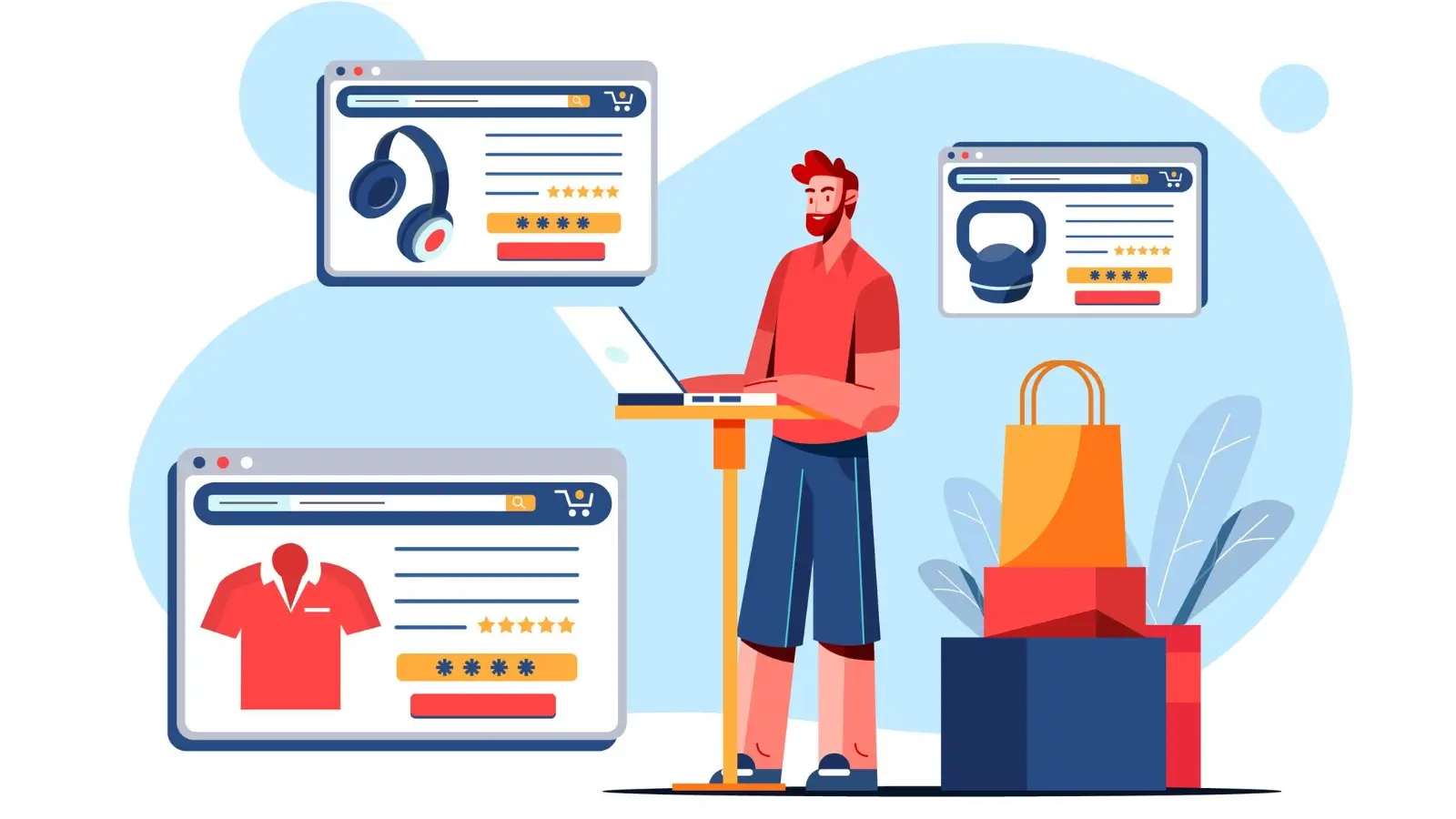
A website serves as the primary channel where customers interact with a business, whether they are visiting for the first time or returning. User experience, or UX, refers to how people feel and navigate while using a website, including the ease of finding information, completing purchases, and interacting with content. A well-designed UX helps customers feel confident about their purchase. In the Philippine e-commerce market, in particular, where online shopping continues to grow, thoughtful UX design becomes crucial for guiding decisions.
A clear layout, easy-to-use navigation, and visually organized content make it simpler for customers to understand product value and complete the buying process. Adding a secure payment system also helps build trust and encourages users to take action. For business owners, understanding how user experience affects these choices can help them optimize their websites for sales and customer loyalty.
In the following sections, we’ll explore specific ways website UX shapes purchase decisions and offer practical strategies to encourage buying behaviors that boost your business.
Capturing Attention with a Landing Page That Guides Choices
Your homepage is often the first impression potential customers get, and it sets the tone for the entire shopping experience. A clean, visually appealing design paired with intuitive navigation immediately signals professionalism and reliability, encouraging users to explore further. Conversely, a cluttered page or confusing menu can overwhelm visitors and become a barrier to making purchases.
For Philippine shoppers, who may have to deal with limited data or slower connections, fast-loading images, concise content, and mobile-friendly layouts are essential. Including clear calls-to-action, such as buttons that highlight new arrivals or bundle offers, also helps visitors make quicker decisions. Additionally, displaying popular or trending products on the landing page can subtly nudge users toward premium purchases, creating a persuasive but non-intrusive pathway for purchasing decisions.
Encouraging Upgrades and Bundles Through Product Pages
Product pages serve as decision-making hubs, and the right UX can encourage customers to choose higher-value options without feeling pressured. With detailed product descriptions, multiple high-quality images from different angles, and comparison features, shoppers understand better what makes premium versions or bundles worth the investment. Adding features like “frequently bought together” or “related items” sections also gently guides users toward complementary purchases.
Driving Conversions with Checkout Simplicity and One-Click Ordering
Checkout UX is a critical factor in purchase decisions because any friction can lead to cart abandonment. Simplifying the process with minimal steps and visible security assurances encourages users to complete their purchases. Particularly, integrating the best payment gateway that accepts various methods, such as mobile wallets and credit/debit cards, ensures that customers can choose the most convenient option for them while feeling reassured that their transaction is safe.
One-click ordering exemplifies persuasive UX by eliminating repetitive form-filling and making the purchase process nearly effortless, especially for repeat customers. When adding a premium product or bundle requires just a single tap, users are more likely to finalize their purchases. Furthermore, one-click ordering increases the likelihood of customers applying vouchers or promo codes because the process feels quick and rewarding.
Strengthening Loyalty with Repeat Purchase UX
A seamless repeat purchase experience can turn occasional buyers into loyal customers. UX elements like order history, saved preferences, one-click reorder options, and personalized product recommendations make returning to your website effortless and even a no-brainer. When customers can easily find what they purchased previously or receive suggestions based on their past behavior, they are more likely to consider upgrades or related items.
Convenience and familiarity play significant roles in loyalty. Users who feel that a website understands their preferences are more inclined to trust the platform for future purchases. Additionally, offering small UX touches, such as showing available promo codes or highlighting loyalty perks during checkout, reinforces positive feelings and encourages customers to engage with higher-tier options or recurring promotions.
Optimizing Mobile Experience to Influence Decisions
Mobile UX is critical in the Philippines due to high smartphone penetration and the increasing trend of shopping on the go. A poorly optimized mobile site can frustrate users with small buttons, slow-loading pages, or confusing menus, which can lead to abandoned carts or missed opportunities for higher-value purchases. Conversely, a responsive, mobile-friendly interface ensures that customers can browse, compare, and complete transactions efficiently, regardless of their device.
Effective mobile UX also enhances persuasive strategies like one-click ordering, instant promo application, and quick access to loyalty rewards. The smoother the mobile experience, the higher the likelihood that customers will make considered, valuable purchases. If your website isn’t optimized for mobile yet, a reputable web development company can help you through the process.
Building Trust to Encourage Confident Purchases
Trust plays a central role in shaping purchasing decisions. UX elements such as product reviews, star ratings, secure payment badges, clear return policies, and transparent shipping information reassure customers and reduce hesitation when choosing more expensive products or bundles. Fast load times, error-free navigation, and consistent product details further reinforce credibility, making users feel more comfortable exploring other products and participating in promos.
While investing in website UX can improve aesthetics, it is also a strategic approach that shapes how customers interact with your brand and make purchasing decisions. Thoughtful design choices at every touchpoint—from the landing page to checkout flows—guide visitors toward decisions that maximize value for the customer and the business. Thus, prioritizing UX can turn your website into a powerful driver of smarter purchases, stronger engagement, and lasting business success.