
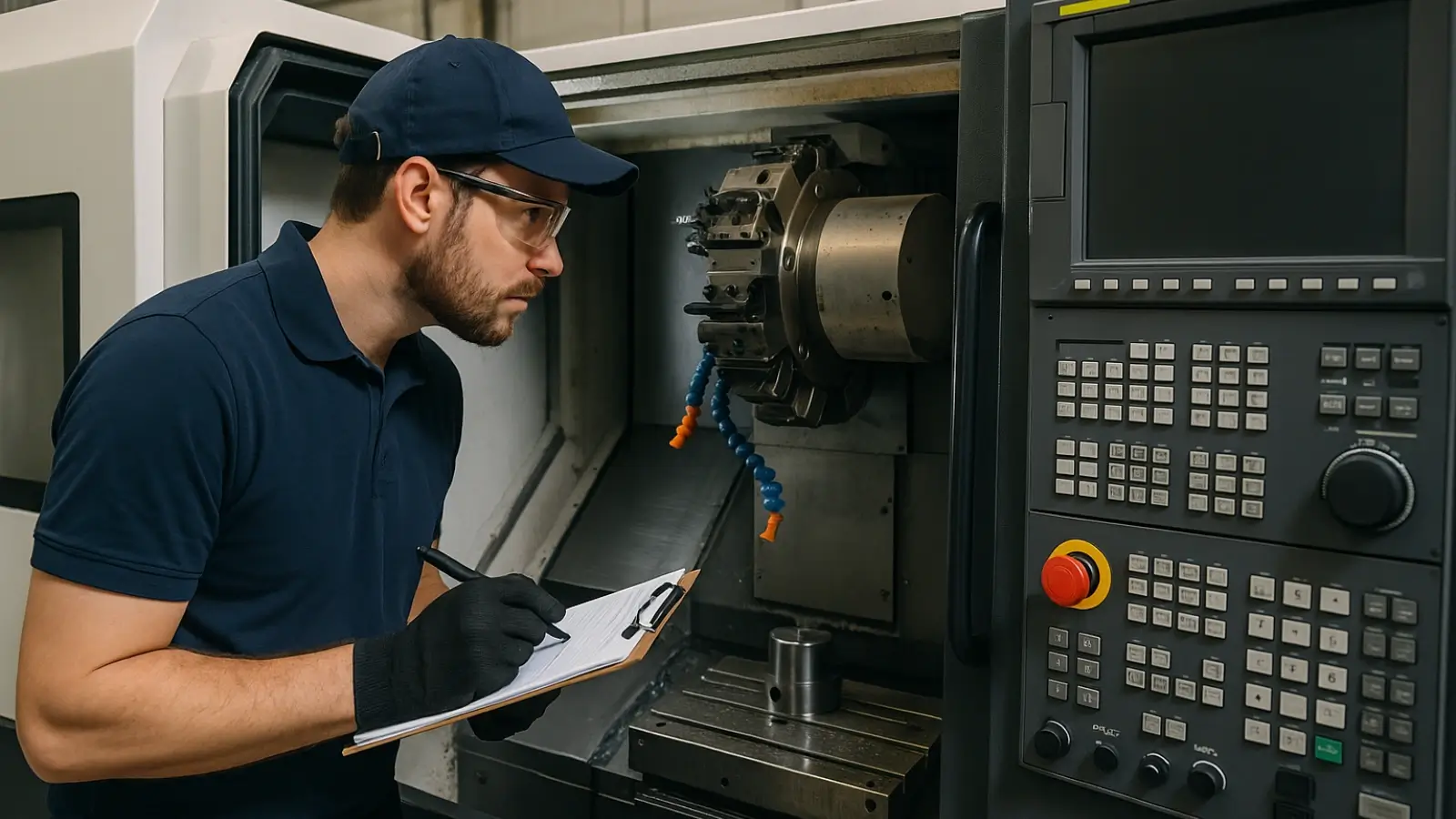
Buying cnc machinery is a significant purchase for a workshop or manufacturing company. Such investment can boost your operations, enhance accuracy and, ultimately, scale your business. However, the market offers a wide range of alternatives, which can make a final choice rather tough. To help you decide, here are seven simple but important tips for picking the CNC machine that truly suits your goals.
Every material requires a certain amount of power, precision, and speed. For example, woodwork needs a machine that is a bit flexible in moving, and metalwork requires a solid frame that can withstand heavy-duty cutting; thus, it is better to pick a machine that can perform your tasks according to your production line. If you work with multiple materials, don’t be afraid to grab a versatile model.
The smaller desktop CNC machines are great for hobbyists or small workshops, and the large machines are built for industrial purposes with heavy production. Some smaller machines are capable enough for industrial work. Select a machine that fits well with your material size; consider your biggest project, not just your average work, and choose one with a larger cutting area to be able to fit a future bigger job.
Machines made with cast iron give better stability and better accuracy than their lighter aluminium counterparts. Don’t forget to check the quality of bearings, linear guides, and motors used in your machine. A solid build will usually mean fewer breakdowns, better results and less maintenance over time. You pay more for solid construction, but you pay less than when you repair your machine.
Make sure the software works for you. Many modern CNC machines place a lot of emphasis on software. Make sure you choose a machine that is easy to use with your favourite CAD or CAM programme. The software should be easy to install and compatible with your file formats. Don’t forget that good software makes your life easier and lets you design, test, and produce parts with fewer mistakes.
If you’re working in industries like aerospace or medical manufacturing, even tiny errors can ruin a project. Always check the machine’s tolerance levels to see how precisely it can cut. Speed is also key if you’re producing large batches, but you shouldn’t have to sacrifice accuracy for speed. The best machines give you a balance, to meet deadlines but still be accurate enough to keep every detail sharp.
A well-designed machine with easy access points can save a lot of time and reduce downtime when maintenance is needed. Brands known for solid after-sales service can make a difference when issues come up. Reliable companies offer reliable support, online resources, and active user communities. Having someone to turn to when something goes wrong keeps your workshop running smoothly.
CNC machines range from affordable entry-level models to expensive industrial systems. While it’s tempting to go for the cheapest one, what really matters is long-term value. A reliable machine might cost more upfront, but it can save you money later by avoiding constant repairs and producing better results. If you’re new to CNC work, look for a model that allows upgrades as your business grows.
The right CNC machine can save hours of manual work, boost accuracy, and increase profits. When you focus on what your business truly needs, along with building quality, software, and support, you’ll make a choice that continues to pay off for years. Whether you’re crafting furniture, shaping metal, or building prototypes, investing in a well-built CNC machine helps every project turn out cleaner, faster, and better.