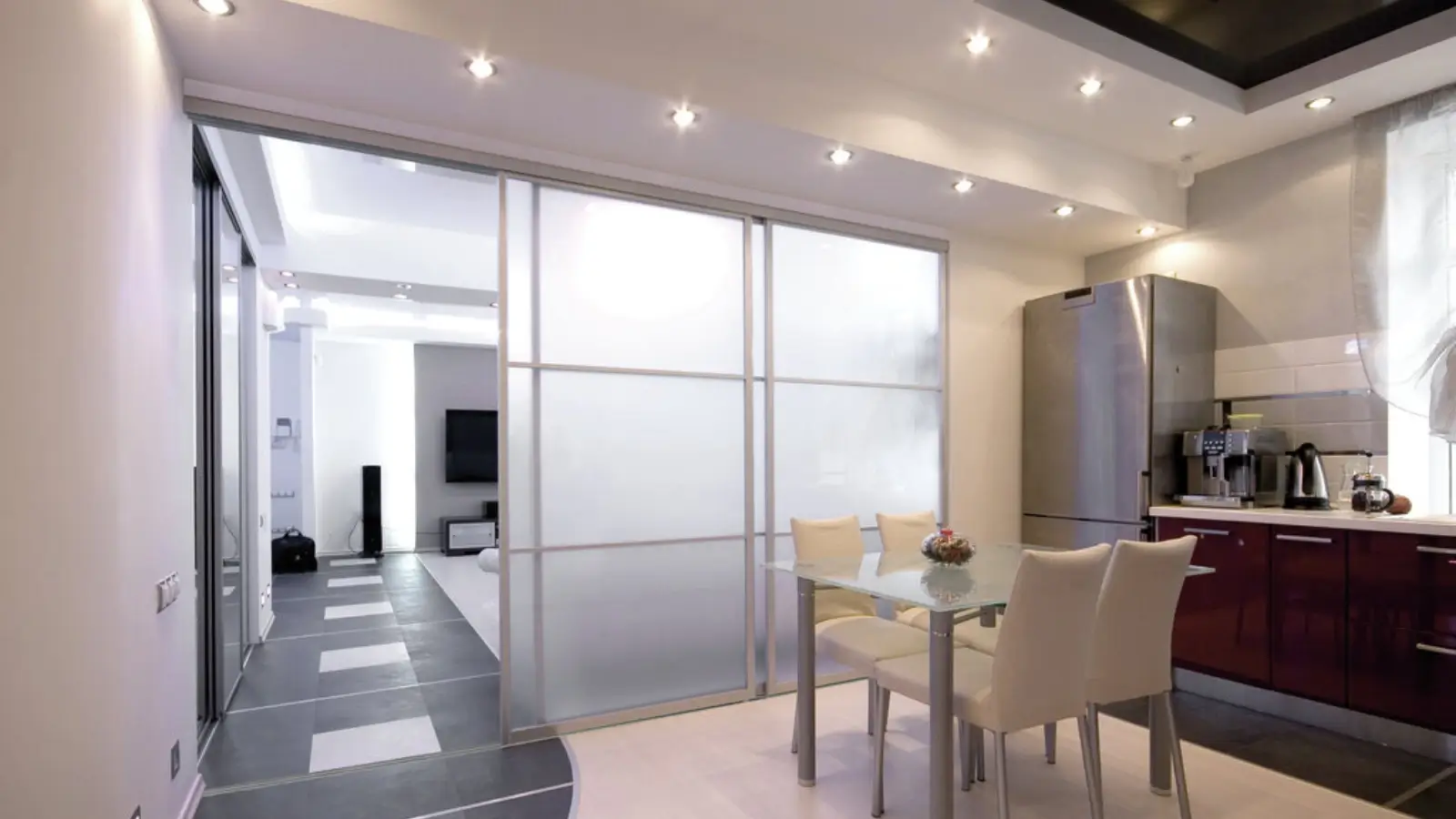

Privacy screens used to mean basic wooden fences or boring metal panels that blocked views but added nothing to a space's aesthetic appeal. Modern laser cutting technology has completely changed this equation. Premium laser cut privacy screens combine functional privacy with intricate design patterns that turn utilitarian barriers into architectural focal points, working equally well for outdoor patios, balconies, garden areas, and indoor room dividers where both privacy and visual interest matter.
Laser cutting achieves design complexity that traditional manufacturing methods can't match. The technology cuts intricate patterns with millimeter precision, producing everything from geometric abstracts to organic botanical designs to custom artwork. This precision means even highly detailed patterns maintain clean edges and consistent spacing throughout large panels.
The pattern itself controls privacy levels through percentage of open versus solid material. Dense patterns with smaller cut-outs provide nearly complete privacy while still allowing air flow and some filtered light. More open patterns create visual separation and partial privacy without completely blocking sightlines—useful when you want to define spaces without making them feel closed off.
Pattern choice dramatically affects how a space feels. Geometric patterns with strong lines create modern, structured aesthetics that complement contemporary architecture. Flowing organic patterns soften hard architectural elements and work better with traditional or cottage-style designs. Abstract patterns offer middle ground, providing visual interest without committing to either formal or natural aesthetics.
Laser cut screens are produced in various materials, each with performance characteristics suited to specific applications. Aluminum dominates outdoor installations because it resists corrosion, requires minimal maintenance, and remains structurally stable through temperature fluctuations and moisture exposure. Powder coating adds color options while enhancing weather resistance.
Steel screens work well in protected outdoor areas or interior applications where the material's weight provides stability and its ability to accept various finishes—paint, rust patina, powder coating—offers design flexibility. Steel does require proper finishing for outdoor use to prevent rust, but the extra weight compared to aluminum benefits freestanding screens that need to resist wind without complex mounting.
Composite materials and treated wood suitable for laser cutting provide options where natural or warm aesthetics matter more than maximum weather resistance. These work better for covered outdoor spaces or interior dividers where weather exposure is minimal but the softer look of wood grain complements the surrounding design better than metal.
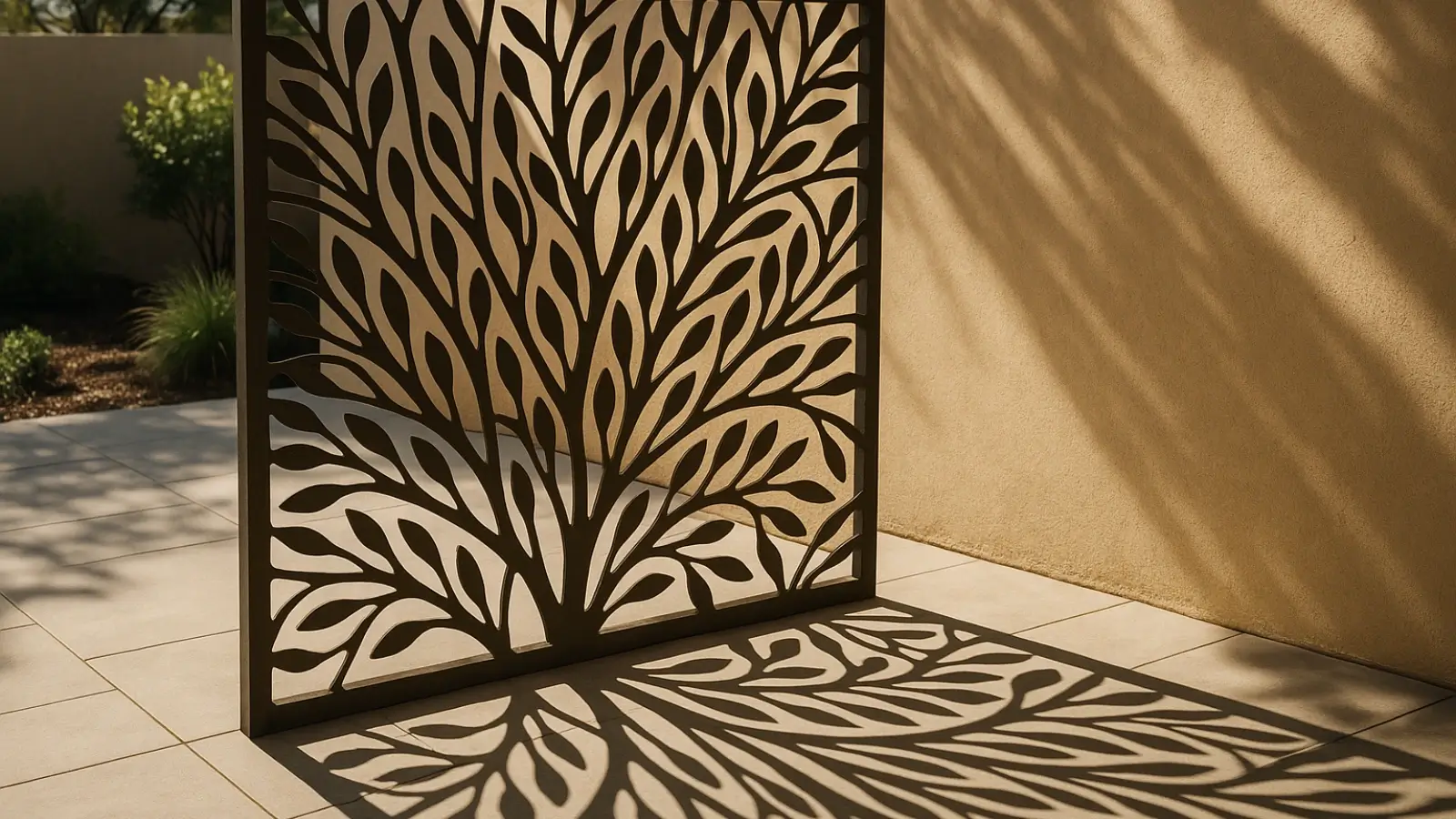
One of the most overlooked benefits of laser cut screens is how they interact with light. The cut-out patterns cast shadows that move and change shape as the sun travels across the sky, creating dynamic visual interest that solid panels or simple slat designs can't achieve. This shadow play adds another design layer that makes outdoor spaces more engaging.
Morning and evening light, coming in at low angles, creates the most dramatic shadow effects. Patterns designed with this in mind—featuring elements at various angles and depths—produce more interesting shadows than simple repeating geometries. The shadows effectively become temporary artwork projected onto walls, floors, or nearby surfaces.
Backlighting laser cut screens creates entirely different effects, particularly effective for interior applications. Placing lights behind screens turns them into translucent features that glow and highlight the pattern details. This technique works beautifully for creating ambient lighting in restaurants, hotels, or residential spaces where atmosphere matters.
Installation flexibility makes laser cut screens adaptable to various situations. Freestanding frames with weighted bases work for temporary or rental situations where permanent mounting isn't possible or desired. These portable screens can be repositioned seasonally or as needs change without requiring professional installation.
Fixed mounting provides stability for permanent installations. Screens can attach directly to walls, fence posts, or custom frames using concealed brackets that maintain clean appearances. The mounting method affects pattern selection—panels mounted with visible gaps between sections need patterns that work with these breaks, while seamless installations can use patterns that flow continuously across multiple panels.
Modular panel systems let you build configurations matching specific space requirements. Need to screen an L-shaped patio? Use corner sections that turn 90 degrees. Want to create a semi-enclosed cabana? Combine multiple panels with different mounting angles. This modularity means you're not limited to standard rectangular screen walls.
Quality laser cut screens represent significant investments, but their longevity justifies the cost compared to cheaper alternatives that deteriorate or need replacement within a few years. Properly finished aluminum or steel screens maintain structural integrity and appearance for decades with minimal maintenance—occasional cleaning to remove dirt or pollen, basically.
The laser cutting process itself contributes to durability. Clean cut edges without saw marks or rough spots mean fewer starting points for corrosion or deterioration. Quality manufacturers seal cut edges during finishing, providing complete protection even on exposed metal surfaces that traditional manufacturing might leave vulnerable.
Warranty coverage on premium screens typically spans years, reflecting manufacturer confidence in product longevity. This coverage matters because it protects your investment against manufacturing defects or premature failure. Cheaper screens often include minimal or no warranty coverage, leaving you exposed if problems develop.
While standard pattern catalogs offer hundreds of designs, premium manufacturers provide true customization where you work with designers to create unique patterns reflecting personal style or matching existing architectural elements. This customization extends beyond just the cut pattern to include sizing, finishing colors, mounting configurations, and even incorporating logos or personal artwork into the design.
Custom sizing ensures screens fit your specific space perfectly rather than making compromises to accommodate standard dimensions. This matters particularly in renovation situations where existing structures dictate odd measurements that standard panels won't accommodate efficiently. Custom sizing eliminates gaps or awkward overlaps that make installations look makeshift.
Finishing options let you coordinate screens with existing color schemes or create deliberate contrasts that make the screens standout features. Powder coating provides durable color in virtually any shade, while specialty finishes like brushed metal, rust patina, or multi-tone effects create more complex aesthetic effects.
Laser cut screens contribute functional benefits beyond privacy and appearance. Properly positioned outdoor screens reduce heat gain by blocking direct sun while maintaining air circulation. This passive cooling effect can noticeably reduce temperatures on patios and inside rooms with large windows, potentially lowering air conditioning costs during hot months.
The screens also provide wind breaks without creating dead air pockets. The pattern perforations allow controlled air flow that reduces wind speed in protected areas while preventing the turbulence that solid barriers sometimes create. For balconies and rooftop terraces particularly, this wind control makes spaces more comfortable and usable during breezy conditions.